
Winter Shooting – equipment care, condensation, staying warm and exposure.
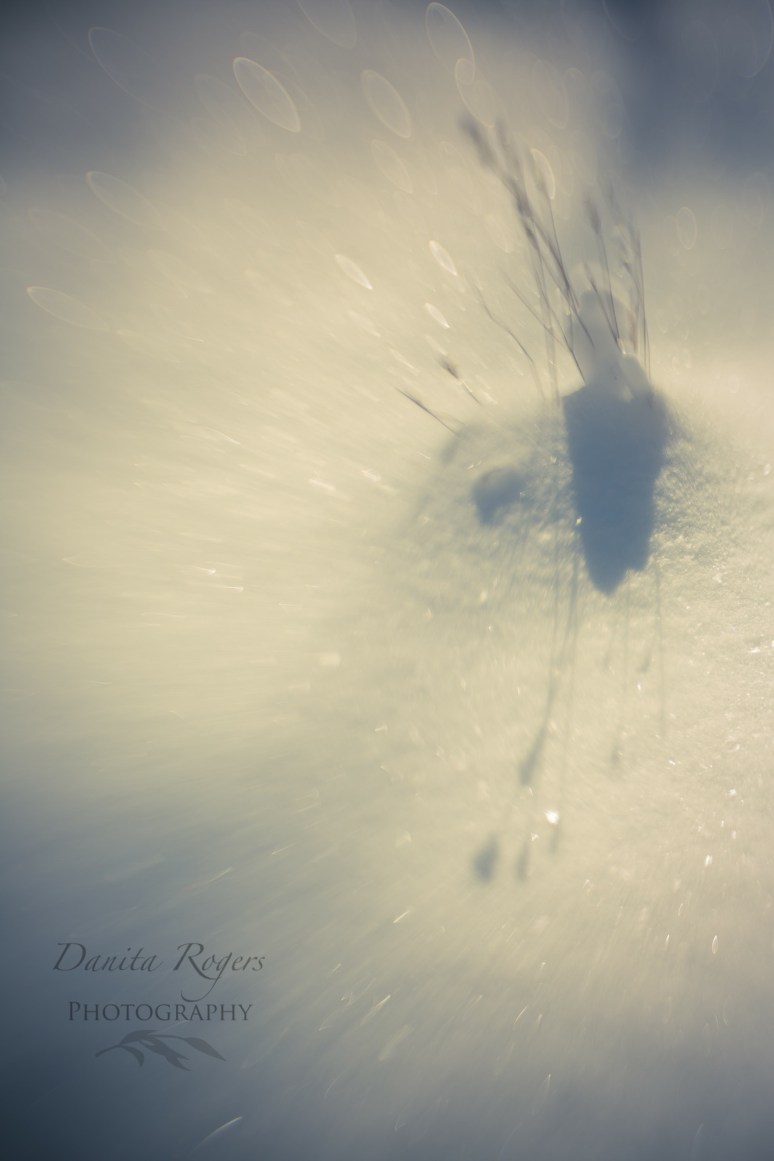
Winter: Most people are concerned about going out into the cold from indoors and ruining a camera. Cold air outdoors has little moisture in it so there isn’t a problem with a camera going from a warm environment into a cold one. When condensation does become a problem is when you are ready to bring the cold camera and equipment back indoors. Then condensation can occur on the lens and possibly on the inside of the camera. The best way to avoid this is to put the camera into a nice padded camera bag and bring it inside and leave it in a cooler area of the house until the temperature evens out. You can also put the camera into a ziplock bag or wrap in a larger bag. If you don’t have a cool area inside your house or your home is very warm, I highly recommend putting your camera inside a plastic bag…but do this BEFORE you bring it inside into the warm air. Any condensation will then form on the outside of the bag.
Batteries: Batteries lose power very quickly in the cold. To help with this you can keep your camera inside your coat while not actually shooting. Use a quick release plate if shooting wildlife where you’ll be waiting around for long periods of time. Keep spare batteries warm inside a shirt pocket so when your camera batteries run down you can replace them with fresh warm ones.
Keep yourself warm: Wear layers, warm boots and gloves. You can gets gloves and mittens that fold back to expose fingertips while pressing the shutter button. I ride horses, so I find that a nice pair of winter riding gloves keep my hands warm and I’m also able to feel the shutter button. Riding gloves are made so you can ‘feel’ the horse, a good, warm pair of riding gloves can be expensive though. I also use those little hand warmers inside them when it’s especially cold. One really important thing with both your hands and feet…don’t wear so many layers that you don’t have enough circulation. Especially with too many pairs of socks inside your boots. That will actually work against you and you’ll get cold hands or feet anyway. Take this from a gal who trail rides in 20 degree weather 😉
If it’s snowing, take along a soft dry cotton cloth to wipe down your camera. Keep a UV filter over the lens. You can purchase plastic housings for rain that range from $5 to over $1000.
Exposure: Shooting in the bright snow will usually end up in your image having dull grey snowy scene. If this happens, set your camera to manual and try overexposing up to two stops. On an auto setting…use Exposure Compensation and add up to two stops (or +1 +2)
Cool! Have fun, stay warm!
 Danita Rogers Photography